Contact Details
Flamingo Beach Realty
Address
Unit B7 Plaza Flamingo, Playa Flamingo,
Cabo Velas, Guanacaste, Costa Rica 50308
Phone
Costa Rica: (506) 8402-2795

Published August 28, 2025

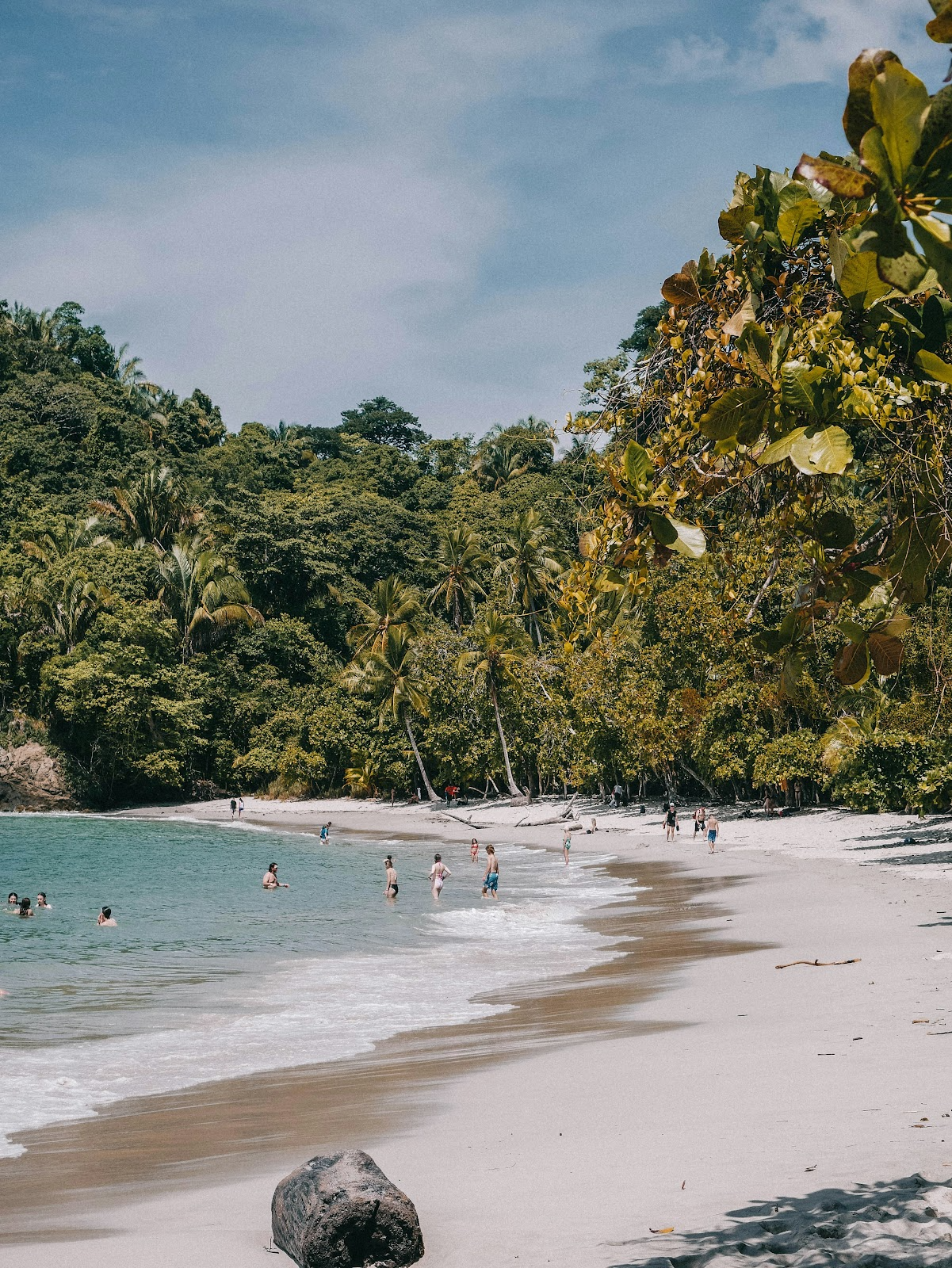
Costa Rica, with its lush landscapes and laid-back lifestyle, is a magnet for foreign buyers.
From retirees seeking a tropical paradise to investors looking for lucrative opportunities, the appeal is universal.
However, buying property in a foreign land can be daunting. The process, the laws, and the market dynamics can all be vastly different from what you're used to.
That's where this guide comes in.
We've compiled a comprehensive list of tips for foreign buyers in Costa Rica. From understanding the local real estate market to navigating legal considerations, we've got you covered.
Whether you're a seasoned investor or a first-time buyer, this guide will equip you with the knowledge you need to make informed decisions. Let's dive in.
The Costa Rican real estate market is diverse and dynamic. It offers a wide range of properties, from beachfront villas to mountain hideaways.
Understanding the market trends and pricing is crucial. Prices can vary greatly depending on the location, type of property, and local amenities.
Here are some key points to consider:
The Costa Rican market is largely unregulated. This means prices are often negotiable.
Coastal properties are typically more expensive than inland ones.
The presence of expat communities can drive up property prices.
Infrastructure and development plans can significantly impact property values.
Keep in mind that the Costa Rican real estate market can be volatile. Prices may fluctuate due to factors like political stability, economic trends, and tourism. Staying informed about these factors will help you make a wise investment.
In Costa Rica, foreign buyers enjoy the same property rights as locals. This is a major draw for many investors. However, there are still some legal aspects to consider.
Firstly, it's important to verify the title of the property. Costa Rica operates on a "first in time, first in right" basis. This means the first person to register the property has the legal rights to it. Always ensure the property has a clear title before proceeding with the purchase.
Secondly, be aware of the maritime zone law. This law states that the first 200 meters of beachfront from the high tide line is owned by the government. The first 50 meters is public land and cannot be owned. The next 150 meters can be leased under certain conditions, but not owned outright.
Lastly, consider the impact of environmental regulations. Costa Rica is known for its commitment to conservation. Certain areas, especially those with rich biodiversity, may have restrictions on development. Always check if there are any such restrictions on the property you're interested in.
Navigating the Costa Rica real estate market can be complex. This is especially true for foreign buyers who may not be familiar with local customs and regulations. That's why it's crucial to have local expertise on your side.
Hiring a local real estate agent or attorney can be a game-changer. They can guide you through the buying process, help you understand the local market trends, and assist in negotiating prices. They can also help you avoid common pitfalls and ensure that all legal requirements are met.
Remember, the goal is not just to buy a property, but to make a successful investment. Having a local expert on your side can significantly increase your chances of achieving this goal. They can provide invaluable insights and advice that you wouldn't have access to otherwise.
Finding the right Costa Rica property can be an exciting journey. It's not just about finding a house or a piece of land. It's about finding a place that you can call home, or a property that can yield a good return on investment.
There are many ways to search for properties in Costa Rica. You can use online listings, hire a real estate agent, or even attend real estate tours and seminars. Here are a few tips to help you in your search:
Use technology to your advantage. Online listings can provide a wealth of information about available properties.
Consider attending real estate tours or seminars. They can provide valuable insights and give you a chance to see properties firsthand.
Don't rush the process. Take your time to explore different regions and types of properties to find the perfect fit.
Choosing the right location is crucial when buying property in Costa Rica. The country offers a diverse range of locales, each with its unique charm and advantages. From bustling cities to serene beach towns, there's something for everyone.
Consider factors like climate, amenities, and accessibility when choosing a location. For instance, if you prefer a warm, tropical climate, the coastal regions might be a good fit. On the other hand, if you want easy access to healthcare facilities and urban amenities, a city location might be more suitable.
Remember, the perfect location for you depends on your lifestyle and preferences. Take the time to explore different areas, understand the local market trends, and choose a location that aligns with your goals and lifestyle.
by Kevin Rodriguez (https://unsplash.com/@xkevs)
Buying property in Costa Rica involves several steps. It's important to understand each stage to ensure a smooth transaction. Here's a simplified overview of the process.
Property Search: Start by searching for properties that meet your criteria. You can use online listings, hire a local real estate agent, or attend real estate expos.
Due Diligence: Once you've found a potential property, conduct due diligence. This involves verifying the title, inspecting the property, and understanding any applicable homeowners' association fees and regulations.
Purchase Agreement: If everything checks out, the next step is to draft a purchase agreement. This document outlines the terms of the sale and should be reviewed by a legal professional.
Closing the Sale: The final step is closing the sale. This involves transferring the funds, registering the property in your name, and paying any applicable taxes and fees.
Remember, each property purchase is unique and may involve additional steps. For instance, if you're financing the property, you'll need to secure a mortgage. If the property is part of a pre-construction project, the process may involve additional stages.
It's crucial to have a local expert, such as a real estate agent or attorney, guide you through the process. They can help navigate any complexities and ensure that all legal requirements are met. Patience and flexibility are key during this process, as transactions may not always proceed at the pace you're accustomed to in your home country.
Financing a property in Costa Rica can be a bit tricky for foreign buyers. Costa Rican banks are often hesitant to lend to non-residents, and the interest rates can be higher than what you're used to back home.
However, there are options available. Some foreign buyers choose to finance their property purchase through a home equity line of credit or personal loan in their home country. Others opt for seller financing, where the seller agrees to a payment plan. It's important to explore all your options and consult with a financial advisor to determine the best approach for your situation.
When buying property in Costa Rica, it's crucial to understand the financial implications. The local currency is the Costa Rican colón, but many real estate transactions are conducted in US dollars. It's important to monitor exchange rates and factor them into your budget.
In terms of taxes, property owners are required to pay an annual property tax, which is typically 0.25% of the registered property value. There may also be municipal taxes and fees to consider. It's advisable to consult with a local tax expert to fully understand your tax obligations as a property owner in Costa Rica.
Buying property in a foreign country can be fraught with potential pitfalls. In Costa Rica, one common issue is unclear property titles. It's essential to ensure that the property you're buying has a clear title, free of any liens or encumbrances. Hiring a local attorney can help you navigate this process.
Another potential pitfall is neglecting due diligence. This includes thoroughly inspecting the property, understanding the local zoning laws, and being aware of any environmental regulations that may affect your property. It's also important to consider the property's accessibility, proximity to amenities, and potential for rental income.
Lastly, be wary of rushing into a purchase. The Costa Rican real estate market can be volatile, and prices can fluctuate. Take your time, do your research, and make sure you're making a sound investment.
Investing in Costa Rican real estate can be a rewarding venture, both financially and personally. To maximize your return, consider the property's potential for appreciation and rental income. Look for areas with strong tourism appeal, as these tend to have higher rental demand.
Remember, owning property in Costa Rica also offers a unique opportunity for cultural exchange and personal growth. Engage with the local community, learn the language, and immerse yourself in the rich Costa Rican culture. This will not only enhance your living experience but also provide valuable insights into the local real estate market.

or another way